


-
Black
-
Purple
-
Dark Green
-
Rose Red
- + 2


-
Purple
-
Light Green
-
Light Blue
-
Black
- + 3


-
Khaki
-
Black
-
Army Green
-
Coffe

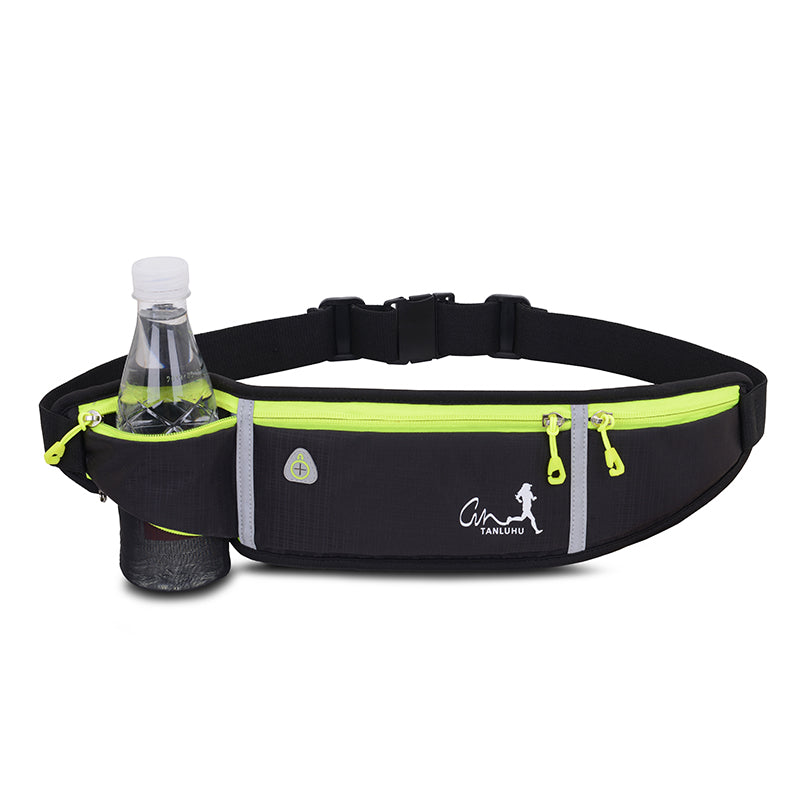

Waist Pack vs. Sling Bag: Which One Should Be Your Next Daily Companion?

In an era that prioritizes convenience and efficiency, we all seek a bag that can carry our essentials without becoming a burden. As we move away from bulky backpacks, compact and versatile waist packs and sling bags have surged in popularity. Yet, faced with this choice, many find themselves puzzled: which one truly fits my lifestyle?
As someone who spends years navigating both outdoor trails and urban jungles, I've put both carrying methods to the test. Today, I'll move beyond basic specs and offer a deep, experience-based comparison across five key dimensions: Comfort, Capacity & Organization, Accessibility, Stability, and Core Use Cases. This guide aims to cut through the clutter and help you find your perfect "everyday partner."
Dimension 1: Comfort – Which One Feels Lighter?
Comfort is the foundation for all-day wear, and the two packs approach it from fundamentally different angles.

-
The Comfort Philosophy of a Waist Pack: Distribution and Contour
The comfort of a good waist pack comes from how well it contours to your hips and evenly disperses pressure. With a sufficiently wide, padded belt, the weight is distributed around the pelvis—a part of the body built to bear load. During long hikes or while standing for hours, this design can become almost unnoticeable, leaving your back and shoulders completely free. The main challenge comes in high heat, as it can trap warmth around your midsection. But when adjusted correctly, its presence fades into the background. -
The Comfort Challenge of a Sling Bag: Single-Point Pressure
A sling bag concentrates its load on one primary area: a single shoulder and the diagonal line across your chest or back. While it may feel light and stylish initially, carrying a slightly heavier load or wearing it for more than a few hours often leads to noticeable shoulder strain. Subconsciously, your body might tilt to compensate, potentially affecting posture over time. Its comfort heavily depends on a wide, well-padded strap with sufficient cushioning.

My Verdict: For all-day carry, the waist pack generally offers superior comfort, especially under load. The sling bag wins on initial lightness but is more sensitive to strap design and duration.
Dimension 2: Capacity & Organization – Which Packs Smarter?
Capacity isn't just about volume; it's about efficient and organized use of space.

-
Waist Pack: The Art of Essentials
The traditional waist pack philosophy is "less is more." Its main compartment, often with one or two sections, perfectly holds core urban or trail necessities: phone, compact wallet, keys, a small sunscreen, an energy bar. Many modern versions add multiple zippered pockets and external stretch mesh, allowing you to categorize items—quick-grab transit cards separate from protected documents. Its strength is giving you complete mastery over your essentials in a minimal footprint. -
Sling Bag: The Mobile Warehouse
Sling bags usually aim higher in both capacity and organization. Beyond the main compartment, you often find a hidden anti-theft pocket against the back, a quick-access front pouch, internal mesh dividers, and side water bottle pockets. This allows it to comfortably hold everything a waist pack does, plus a tablet, a thin book, a compact umbrella, or sunglasses. Its "carry" is about layered, categorized storage for those who need to bring a more diverse set of items.

My Verdict: Think of a waist pack as a "curated edit" and a sling bag as a "mobile warehouse." Your choice depends on whether you're heading out for a "light and fast" mission or a "be prepared" day.
Dimension 3: Accessibility – Which Lets You Grab Things Faster?
Quick, secure access to your belongings is a core promise of these compact packs.

-
Waist Pack: The "Zero-Step" Access Champion
This is the waist pack's trump card. Whether worn on the front or side, the distance from your hand to the bag is constant and minimal. Pulling out your ID at security, paying at a store, or checking your phone requires almost no preparatory movement—just unzip and grab. When worn crossbody on the chest, this convenience merges with high security (your valuables are always in your sightline), making it a crowd-proof superstar. -
Sling Bag: The "Swing-and-Go" Convenience
A sling bag's access requires a small, elegant maneuver: swinging it from your back or side to the front. Once there, the access experience is similar to a front-worn waist pack. However, in scenarios demanding frequent, rapid access (e.g., navigating a busy market, photographing an event), that extra "swing" introduces a subtle break in your flow. Its convenience leans more toward unhurried, casual elegance than split-second speed.

My Verdict: If you need absolute speed and zero-fuss intuition, the waist pack (especially worn on the chest) is the undisputed winner. For less frequent access, a sling bag is perfectly convenient and can look more effortlessly stylish.
Dimension 4: Stability – Which One Stays Put When You Move?
Stability during running, cycling, or vigorous activity is crucial for both experience and safety.
-
Waist Pack: Locked-In Stability
When the belt is properly adjusted, a waist pack becomes an extension of your core. It moves with you during runs, jumps, or bends, staying firmly in place with minimal to no bounce or sway. This hands-free, "forget-it's-there" stability is why it's beloved by runners and cyclists. -
Sling Bag: The Inevitable Sway
Stability is a sling bag's inherent weakness. The single-shoulder suspension means it will inevitably swing and bounce with your body's motion during vigorous activity. Even with a shortened strap, you'll likely feel it tapping against your back or ribs. While some designs add sternum straps or stabilizer belts, they rarely achieve the "locked-on" feel of a good waist pack.
My Verdict: For any activity involving running, jumping, or fast movement, the waist pack's stability is unmatched. The sling bag is better suited for steady walking or static situations.
Dimension 5: Application Scenarios – Which Is Your "Occasion Partner"?
Different scenes in life call for different carrying solutions.
| Scenario | Waist Pack | Sling Bag | Analysis & Personal Advice |
|---|---|---|---|
| City Commute / Daily Errands | ★★★★☆ | ★★★★★ | The sling bag often has a more urban, versatile look that pairs easily with different outfits and holds commute essentials. The waist pack leans toward a sportier, streetwear aesthetic. |
| Hiking / Trail Running / Cycling | ★★★★★ | ★★★☆☆ | The waist pack is the undisputed champion here. Its stability, non-interference with backpack straps, and easy hydration access are major outdoor advantages. |
| Music Festivals / Large Events | ★★★★★ | ★★★★☆ | Both are great for hands-free fun. The waist pack wins on security (front-worn) and stability while dancing. The sling bag might edge out on pure style points. |
| Travel & Exploration | ★★★★☆ | ★★★★☆ | In crowded tourist spots or night markets, a chest-worn waist pack is a secure "vault" for passports and cash. For city days requiring more gear (water, layer, souvenirs), the sling bag's extra capacity is handy. |
| Running / Gym Workout | ★★★★★ | ★★☆☆☆ | This is the domain of the dedicated sports waist pack. Its bounce-free design is non-negotiable for running; a sling bag is generally unsuitable here. |
The Final Choice: Finding Your Perfect Match
After dissecting these five dimensions, the right choice becomes clear:
-
Choose a Waist Pack if: Your life is active and outdoors-oriented; you prioritize rapid access and movement stability; you love the feeling of complete hand freedom and close-to-body security; your daily carry is limited to core essentials like phone, keys, cards.
-
Choose a Sling Bag if: Your style is more urban and casual; you need to carry slightly more or bulkier items like a small tablet or umbrella; you value versatility as a style accessory; your activities are mostly steady walking and static scenarios.
In essence, the waist pack is a focused, efficient "specialist," while the sling bag is a versatile, stylish "urbanite." There's no absolute winner—only what best matches the rhythm of your life.
For me, the ideal solution is to own both: a lightweight waist pack for all sweat-inducingsports and mountain adventures, and a well-made sling bag for city days that call for more style and capacity. Perhaps that's the best answer to this dilemma: select the right tool for the occasion, and let it seamlessly serve your life.
I hope this experience-based comparison helps you make a confident, satisfying choice for your next everyday companion.