


-
Black
-
Purple
-
Dark Green
-
Rose Red
- + 2


-
Purple
-
Light Green
-
Light Blue
-
Black
- + 3


-
Khaki
-
Black
-
Army Green
-
Coffe

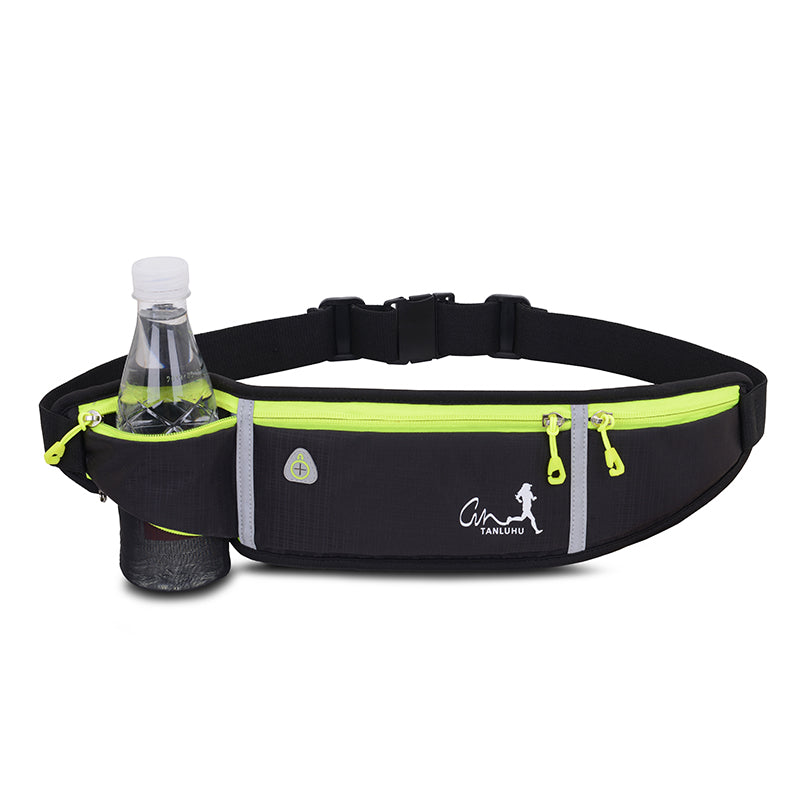

My Urban-to-Trail Companion: Why This Sling Bag is My Daily Essential
If your life, like mine, is split between two worlds—one of schedules and screens, the other of trails and fresh air—then you’ve probably wrestled with the same question: what bag do I carry?
I needed a partner. One that could neatly hold my daily essentials for navigating the subway and office towers, yet could also adapt in an instant for an impromptu detour to a greenway or a hillside after work. It couldn’t look too technical for the city, nor too formal for the path less traveled.
After trying various options, my solution settled on a seemingly simple piece of gear: a well-organized Everyday Carry (EDC) sling bag. It wasn’t my first thought, but it has become the most intuitive partner for my dual life.

The Morning Commute: An Organized "Mobile Hub"
At 8 AM, packing is a quick, practiced ritual:
-
Phone, power bank, and a coiled cable (each has a dedicated spot, preventing a tangled mess)
-
Card wallet, keys, wireless earbuds
-
A slim notebook and pen
-
A 300ml insulated bottle (using an external carry option)
This is my mobile core for the day. The bag’s strength shines here: its multiple compartments give every item a "home." During subway security, a simple slide of the shoulder strap lets me place it on the belt—faster than taking off a backpack. In a crowd, I swing it to my front, creating a secure, accessible desk. Grabbing my phone or transit pass takes one second. Its low-profile, textured look fits seamlessly from a coffee shop to a client meeting.
My Takeaway: The magic is in the compartment logic. My bag has a hidden anti-theft pocket against the back, a quick-access front pouch, and intelligent internal organization. This ensures everything has its place, eliminating the dreaded "black hole" effect. Order is the foundation of urban efficiency.

Daytime Shifts: The "On-Demand Workspace"
For those fragmented pockets of time during the workday, the sling enables effortless transitions:
-
Running errands: Important documents or receipts go in a separate sleeve, kept safe and apart from everyday items.
-
Café brainstorming: The notebook and pen slide out from a side pocket; a paperback might be waiting in the main compartment.
-
Impromptu stops: Its light presence isn't overkill for a quick convenience store run, with room to spare for a small purchase.
I never have to dig for a keycard. This sense of "having everything under control" is a subtle but powerful antidote to daily stress.
The Evening Transition: From Pavement to Path
At 5:45 PM, a message lights up the phone: "Great light out. Quick walk by the river?" My reply has changed from "I need to go home first" to a simple "On my way."
The transformation is straightforward:
-
Remove non-essentials: Office-specific items like pens are left behind.
-
Load outdoor core items: From my desk drawer, I grab my always-ready headlamp, collapsible water bottle, and a light hat—all fitting neatly into the various compartments.
-
Swap and supplement: I might change into the light hiking socks stashed in a bottom pouch. The cup might be swapped for the water bottle.
The bag remains the same, but its mission has evolved. The multiple compartments now show their true value: electronics stay secure in the back panel, outdoor tools are ready in the front pocket, the bottle is on the side. I don't reconfigure the pack; I simply redeploy what's in it.
My Personal Rule: I always keep a few "baseline" items in a small mesh pocket: a mini headlamp, a packet of tissues, an energy bar. They take up negligible space but provide the confidence for spontaneous plans. This is the freedom of being always ready.
The Design Philosophy: Why a "Multi-Compartment Sling"?
-
Vs. the "Black Hole" Bag: A single cavern means chaos. Intelligent organization creates "muscle memory" for your items, making retrieval effortless.
-
Vs. the Backpack: For the high-frequency urban access of phone, cards, and earbuds, the sling's "swing-to-front" ease is unmatched. It's also inherently lighter and less bulky.
-
Its unique value lies in this: maximizing order, accessibility, and readiness within a compact form, through thoughtful compartmentalization.

Your Practical Packing List for a Dual Life
Based on my experience, a great multi-compartment sling can elegantly handle this kit:
-
Tech Layer: Phone, card-style power bank, wireless earbuds, short cable.
-
Tool Layer: Mini multi-tool, compact EDC flashlight, pen.
-
Protection Layer: Packable hat, thin gloves, an ultra-light wind shell.
-
Sustenance Layer: Collapsible cup/soft bottle, an energy bar or two.
-
Personal Layer: Card wallet, keys, tissues.
All of it finds a logical home, without becoming a jumbled pile.
Final Thought: It Manages More Than Gear
In the end, I chose more than a carrying tool; I chose a system for switching contexts. This sling bag is the physical module of my personal system—it manages my daily tools, my safety margin, and that readiness for a bit of spontaneous discovery.
It frees me from a hard choice between a "city" and "trail" identity. Most of the time, it's a discreet and efficient urban ally. In moments of impulse, it becomes the gateway to a micro-adventure, right at my side.
The best gear might just be what you barely notice, yet consistently provides the right support at the right time. This thoughtfully designed sling bag is exactly that.