

-
Black
-
Purple
-
Dark Green
-
Rose Red
- + 2


-
Purple
-
Light Green
-
Light Blue
-
Black
- + 3


-
Khaki
-
Black
-
Army Green
-
Coffe


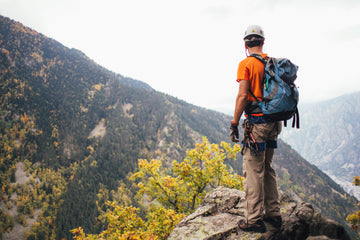
Summer Hiking Essentials: 10 Must-Have Gear Items for Every Trail Adventure
Summer is one of the best seasons to explore the outdoors.
Longer daylight hours, warmer temperatures, and beautiful landscapes make summer hiking, camping, and trail adventures more enjoyable than ever.
But even a short day hike can become challenging if you are not properly prepared.
The right hiking gear is not about carrying more — it is about carrying smarter.
Experienced hikers know that lightweight, reliable equipment can make the difference between a comfortable adventure and an unexpected problem on the trail.
Whether you are planning a weekend hike, a camping trip, or simply exploring local trails, this summer hiking essentials checklist covers the gear you should always have with you.
What Should You Bring on a Summer Hike?
A good hiking setup should balance:
- Lightweight design
- Durability
- Practicality
- Emergency preparedness
Your backpack does not need to be overloaded with unnecessary equipment.
Instead, focus on essential tools that solve real outdoor problems.
Here are the 10 must-have hiking gear items every outdoor enthusiast should consider.
1. Reliable Water Bottle or Hydration System
Hydration is the most important part of any summer hiking checklist.
Hot weather increases water loss through sweating, especially during uphill climbs and long-distance hikes.
A good hiking hydration setup should include:
- A reusable water bottle
- Hydration bladder for longer trails
- Electrolyte supplements for extended adventures
Hiking Tip:
Do not wait until you feel thirsty.
By the time you feel thirsty, your body may already be experiencing dehydration.
For summer hiking, always carry more water than you think you need.
2. Lightweight Backpack
A comfortable backpack is the foundation of your hiking gear setup.
The best hiking backpacks should provide:
- Comfortable shoulder straps
- Breathable back support
- Multiple compartments
- Enough space for essential equipment
For day hikes, a compact 15L-30L backpack is usually enough.
Remember:
A lighter backpack means more energy for enjoying the trail.
3. Navigation Tools: Map, GPS, or Compass
Even popular hiking trails can become confusing.
Weather changes, unfamiliar terrain, and limited phone signals can create unexpected situations.
Always consider carrying:
- Offline trail maps
- GPS device
- Compass as a backup
Technology is helpful, but experienced hikers always prepare for situations when electronics are unavailable.
4. First Aid Kit
Small injuries are common during outdoor activities.
A compact first aid kit can help with:
- Blisters
- Small cuts
- Scratches
- Insect bites
- Minor injuries
A lightweight hiking first aid kit should include:
- Bandages
- Antiseptic wipes
- Medical tape
- Pain relief medication
- Emergency supplies
You may never need it, but when you do, you will be glad you brought it.
5. Multi-Tool or Folding Knife
A versatile tool is one of the most useful items you can carry outdoors.
A quality folding knife or multi-tool can help with:
- Cutting rope
- Preparing food
- Outdoor repairs
- Emergency situations
For many outdoor enthusiasts, a compact tool becomes part of their everyday carry (EDC) setup — ready for both daily tasks and weekend adventures.
6. Weather Protection Gear
Summer weather can change quickly.
A sunny morning can turn into a sudden afternoon storm.
Essential weather protection includes:
- Lightweight rain jacket
- Sun protection
- Hat
- Sunglasses
- Sunscreen
Protecting yourself from the elements helps you stay comfortable and safe throughout your adventure.
7. Comfortable Hiking Shoes
Your feet are your most important hiking equipment.
The wrong footwear can turn an enjoyable hike into a painful experience.
Look for hiking shoes with:
- Good traction
- Comfortable cushioning
- Breathability
- Ankle support when needed
For summer conditions, lightweight and breathable materials are usually preferred.
8. Portable Power Bank
Modern hiking often involves electronic devices:
- Smartphones
- GPS devices
- Cameras
- Headlamps
A compact power bank helps keep your essential electronics running when you are away from power sources.
For longer adventures, battery management becomes an important part of outdoor preparation.
9. Lightweight EDC Flashlight
Many hikers underestimate the importance of a reliable flashlight.
Even if you plan to return before sunset, unexpected situations can happen:
- A longer-than-expected trail
- Helping another hiker
- Finding equipment in your backpack
- Emergency situations after dark
A compact EDC flashlight is one of the smallest but most valuable tools you can carry.
Unlike using your smartphone flashlight, a dedicated outdoor flashlight provides:
- Better durability
- Longer battery life
- Easier operation
- Reliable performance in outdoor conditions
For summer hiking and everyday carry, a lightweight titanium flashlight offers an excellent balance between strength and portability.
A quality titanium EDC flashlight can provide reliable illumination without adding unnecessary weight to your backpack.
Why Titanium Is a Great Material for Hiking Gear
Titanium has become popular among outdoor enthusiasts because it offers a unique combination of:
- High strength-to-weight ratio
- Excellent corrosion resistance
- Long-lasting durability
- Premium tactile feel
For EDC tools that you carry every day, material choice matters.
A lightweight titanium flashlight can handle outdoor environments while remaining comfortable enough for daily carry.
10. Emergency Supplies
Even short hikes should include basic emergency preparation.
Consider carrying:
- Emergency blanket
- Fire starter
- Whistle
- Extra food
- Small repair kit
Being prepared does not mean expecting problems.
It means having confidence when exploring unfamiliar environments.
Summer Hiking Gear Checklist
Before heading outdoors, check that you have:
☑ Water and hydration supplies
☑ Backpack
☑ Navigation tools
☑ First aid kit
☑ Multi-tool or knife
☑ Weather protection
☑ Hiking shoes
☑ Power bank
☑ EDC flashlight
☑ Emergency supplies
Final Thoughts: Pack Smart, Explore Further
The best hiking gear is not the gear that takes up the most space.
It is the equipment that solves problems when you need it most.
A lightweight, reliable setup allows you to enjoy the outdoors with more confidence — whether you are exploring a local trail, camping overnight, or preparing for unexpected situations.
Start with the essentials:
Stay hydrated.
Stay prepared.
Carry reliable tools.
And most importantly — enjoy the adventure.
Frequently Asked Questions About Summer Hiking Essentials
What are the most important items to bring on a summer hike?
The most important hiking essentials include water, navigation tools, first aid supplies, weather protection, proper footwear, and reliable outdoor tools such as an EDC flashlight.
How much gear should I carry for a day hike?
For a day hike, focus on lightweight essentials rather than carrying unnecessary equipment. A small backpack with hydration, safety tools, and weather protection is usually enough.
Is a flashlight necessary for daytime hiking?
Yes. A compact flashlight is useful even during daytime hikes for emergencies, exploring shaded areas, equipment repairs, or unexpected delays.
How many lumens do I need for hiking?
For general hiking and EDC use, 100-200 lumens is usually sufficient for most situations, including trail walking, camping, and emergency lighting.